
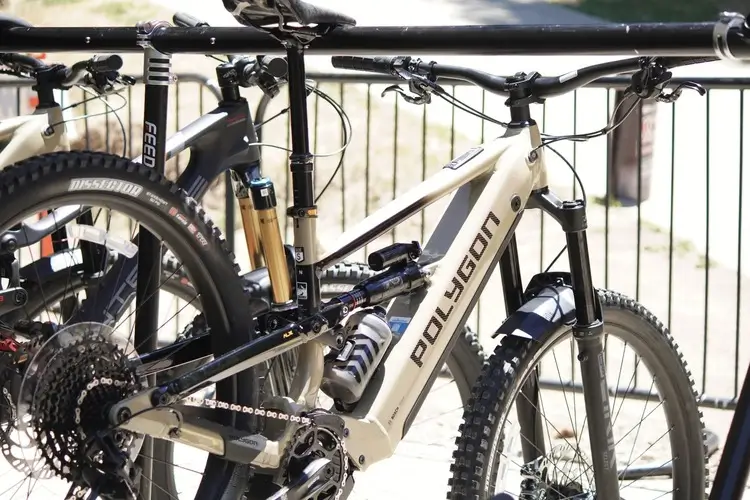
Electric bikes have revolutionized personal transportation, offering an eco-friendly alternative to traditional vehicles. However, like any electrical system, e-bikes can experience failures that leave riders stranded or frustrated. Understanding how to identify and fix common electrical issues can save you time, money, and headaches. This comprehensive guide will walk you through troubleshooting wiring problems, connector failures, overcurrent situations, and short circuits – the most common electrical failures in electric bikes.
Understanding Your E-Bike’s Electrical System
Before diving into specific problems, it’s essential to understand the basic components that make up your e-bike’s electrical system. An electric bike typically consists of a battery, controller, motor, display, sensors, and the wiring that connects everything. Each component plays a crucial role in the bike’s operation:
- Battery: The power source, typically lithium-ion, providing energy to the entire system
- Controller: The “brain” that manages power flow between components
- Motor: Converts electrical energy into mechanical energy to assist pedaling
- Display/Control Panel: Provides information and allows rider input
- Sensors: Detect pedaling, speed, and other factors to regulate assistance
- Wiring Harness: The network of cables connecting all components
Quality e-bikes, like those available from Bikes Online, feature robust electrical systems designed to withstand regular use and varying conditions. However, even the best systems can develop issues over time. Let’s explore the most common electrical failures and how to address them.
Problem 1: Wiring Issues in Electric Bikes
Frayed wiring can cause intermittent power issues
Wiring problems are among the most common electrical failures in e-bikes. The constant vibration, exposure to elements, and regular movement can take a toll on your bike’s wiring system. Here are the typical wiring issues you might encounter:
Frayed Wires
Constant movement and vibration can cause wire insulation to wear down over time, exposing the conductive material inside. This creates a risk of short circuits and can lead to intermittent power loss.
How to Identify:
- Visually inspect wires for visible damage to the outer insulation
- Look for exposed copper or aluminum wire
- Check for intermittent power or function loss during rides
How to Fix:
- For minor fraying, use electrical tape or heat shrink tubing to cover exposed areas
- For severe damage, replace the affected wire or wiring harness
- Secure repaired wires away from moving parts to prevent future damage
Loose Connections
Vibration during rides can gradually loosen connections between wires and components. Loose connections cause resistance, which generates heat and can lead to power loss or component damage.
How to Identify:
- Intermittent power or function loss, especially on bumpy terrain
- Components that work when wires are moved or jiggled
- Visible gaps at connection points
How to Fix:
- Ensure all connectors are fully seated and locked in place
- Check for proper alignment of pins in connectors
- Consider applying dielectric grease to connections to prevent corrosion
Pro Tip: When working on your e-bike’s electrical system, always disconnect the battery first to prevent accidental shorts or electrical shock. Quality e-bikes from reputable retailers like Bikes Online often include detailed wiring diagrams in their user manuals to help with troubleshooting.
Problem 2: Connector Failures in Electric Bikes
Common connector types found in e-bike electrical systems
Connectors are the junction points in your e-bike’s electrical system, allowing components to be connected and disconnected for maintenance or replacement. While designed to be reliable, these connectors can fail due to various factors.
Moisture Damage
Water intrusion is a common cause of connector failure. Even bikes not ridden in rain can experience condensation inside connectors due to temperature changes.
How to Identify:
- Corrosion or oxidation visible inside connector housings
- System failures after riding in wet conditions
- Intermittent operation that improves in dry conditions
How to Fix:
- Dry connectors thoroughly using compressed air
- Clean contacts with electrical contact cleaner
- Apply dielectric grease to waterproof connections
- Consider upgrading to waterproof connectors for frequently exposed areas
Upgrade Your Riding Experience
Looking for an eBike with reliable electrical connections and premium components? Bikes Online offers a range of quality electric bikes designed for durability and performance.
Problem 3: Overcurrent Problems in Electric Bikes
Controller damage resulting from overcurrent conditions
Overcurrent situations occur when more current flows through a component than it’s designed to handle. This can damage components and pose safety risks. Understanding the causes and solutions for overcurrent problems is crucial for maintaining your e-bike’s electrical system.
Controller Malfunctions
The controller regulates power flow in your e-bike. When it malfunctions, it may fail to limit current properly, leading to overcurrent conditions.
How to Identify:
- Erratic motor behavior (surging or cutting out)
- Controller feels unusually hot during operation
- Error codes on the display (if equipped)
- Burning smell during operation
How to Fix:
- Check for error codes and consult your user manual for specific troubleshooting
- Ensure the controller has adequate ventilation
- Look for and repair any shorts in the wiring connected to the controller
- If problems persist, the controller may need replacement
Battery Overload
Batteries can experience overcurrent when too much power is drawn too quickly, or when internal cell damage creates short circuits.
How to Identify:
- Battery becomes unusually hot during use or charging
- Reduced range or power
- Battery management system (BMS) repeatedly cuts power
- Swelling or deformation of the battery case
Warning: If your battery shows signs of swelling, unusual heat, or emits an odor, stop using it immediately and move it to a safe, non-flammable location. Damaged lithium batteries can pose serious fire risks.
How to Fix:
- Check for and repair any shorts in the electrical system
- Ensure you’re using the correct charger specified for your battery
- Avoid extreme temperatures when using or storing the battery
- If the battery is damaged or severely degraded, replace it with a new one
Motor Overload
Motors can draw excessive current when under strain, such as climbing steep hills or carrying heavy loads beyond their design specifications.
Modern e-bike motors include thermal protection against overcurrent
How to Identify:
- Motor cuts out during strenuous riding
- Motor feels unusually hot to touch
- Burning smell during operation
- Reduced power or assistance
How to Fix:
- Allow the motor to cool down before continuing
- Reduce the assistance level when climbing steep hills
- Check for mechanical issues that might be causing increased resistance
- Ensure the motor connections are clean and secure
“Most overcurrent issues in quality e-bikes are prevented by built-in protection circuits. However, understanding the signs of potential problems can help you address issues before they cause permanent damage.”
– E-Bike Maintenance Expert
Problem 4: Short Circuits in Electric Bikes
Short circuit damage can quickly escalate if not addressed
Short circuits occur when electricity takes an unintended path of lower resistance, bypassing the normal circuit. This can happen when insulation fails or when conductive materials create bridges between wires. Short circuits are particularly dangerous as they can cause fires, component damage, and even battery failures.
Insulation Breaches
When wire insulation becomes damaged, the exposed conductors can contact other conductive parts, creating short circuits.
How to Identify:
- Visible damage to wire insulation
- System shuts down unexpectedly
- Fuses blow repeatedly
- Burning smell or visible smoke
How to Fix:
- Immediately disconnect the battery if you suspect a short circuit
- Inspect all wiring for damaged insulation
- Repair minor insulation damage with electrical tape or heat shrink tubing
- Replace severely damaged wires
- Ensure wires are routed away from sharp edges and moving parts
Crossed Wires
Improper routing or repairs can lead to wires crossing and creating contact points that cause shorts, especially when vibration is present.
How to Identify:
- Intermittent electrical issues that worsen with vibration
- Problems that appeared after recent maintenance or repairs
- Visible wire crossings without proper insulation
How to Fix:
- Reroute wires to prevent crossing where possible
- Use wire loom or conduit to separate and protect wire bundles
- Secure wires with zip ties or clips to prevent movement
- Follow manufacturer wiring diagrams when making repairs
Water Intrusion
Water can create conductive paths between electrical components, causing temporary or permanent short circuits.
Water intrusion can cause corrosion and short circuits
How to Identify:
- Electrical issues that appear after riding in wet conditions
- Visible moisture in connectors or electronic housings
- Corrosion forming on electrical contacts
How to Fix:
- Thoroughly dry all components if water intrusion is suspected
- Use compressed air to blow water out of connectors
- Apply dielectric grease to connections to prevent future water intrusion
- Consider upgrading to waterproof connectors for vulnerable areas
Multimeter Testing: A multimeter is an invaluable tool for diagnosing short circuits. Set it to continuity mode and check for unwanted connections between circuits that should be isolated. This can help identify the exact location of a short before visible damage occurs.
Preventive Maintenance for E-Bike Electrical Systems
Regular maintenance can prevent most electrical failures
Prevention is always better than cure, especially when it comes to electrical systems. Implementing a regular maintenance routine can help you avoid many of the common electrical failures discussed in this guide.
Regular Inspection Checklist
- Check all visible wiring for signs of wear, damage, or corrosion
- Inspect connectors for proper seating and signs of overheating
- Examine the battery case for damage or deformation
- Test all functions (lights, display, motor assistance) regularly
- Listen for unusual noises during operation
- Monitor charging behavior for any changes
Cleaning and Protection
Keeping your e-bike’s electrical components clean and protected from the elements is crucial for long-term reliability.
Cleaning Tips:
- Use compressed air to remove dust and debris from connectors
- Clean electrical contacts with specialized contact cleaner
- Avoid high-pressure water around electrical components
- Dry thoroughly after riding in wet conditions
Protection Tips:
- Apply dielectric grease to connections exposed to moisture
- Use silicone sealant around vulnerable entry points
- Store your e-bike in a dry location
- Consider a bike cover for outdoor storage
Professional Servicing
While many maintenance tasks can be performed at home, professional servicing plays an important role in keeping your e-bike’s electrical system in top condition.
- Schedule annual inspections with a qualified e-bike technician
- Have professionals handle complex electrical issues
- Consider professional service after any significant water exposure
- Follow manufacturer-recommended service intervals
Professional servicing can identify issues before they become problems
Essential Tools and Resources for E-Bike Electrical Troubleshooting
Having the right tools and resources can make troubleshooting your e-bike’s electrical system much easier. Here’s what you should consider having on hand:
Basic Tool Kit
Essential tools for electrical troubleshooting
Diagnostic Tools:
- Digital multimeter
- Circuit tester
- Battery voltage checker
- Insulation tester
Repair Tools:
- Wire strippers/cutters
- Crimping tool
- Heat gun for shrink tubing
- Soldering iron kit
Consumables:
- Electrical tape
- Heat shrink tubing
- Dielectric grease
- Contact cleaner
Documentation
Having access to the right information is just as important as having the right tools:
- Your e-bike’s user manual and wiring diagrams
- Battery specifications and troubleshooting guide
- Controller documentation
- Online forums and communities specific to your e-bike model
Tip: Many manufacturers, including BikesOnline, provide detailed technical documentation on their websites. Bookmark these resources for quick reference when troubleshooting.
When to Seek Professional Help
While many electrical issues can be resolved with DIY troubleshooting, some situations warrant professional assistance. Know when to call in the experts:
Seek Professional Help If:
- You notice battery swelling or unusual heat
- There’s visible smoke or burning smell
- The bike has been submerged in water
- You’ve tried basic troubleshooting without success
- The issue involves the battery management system
- You’re uncomfortable working with electrical systems
What to Expect from Professional Service:
- Diagnostic testing with specialized equipment
- Access to manufacturer-specific information
- Proper tools and replacement parts
- Warranty-compliant repairs
- Safety testing after repairs
- Advice on preventing future issues
Professional technicians have specialized tools and training
Conclusion: Keeping Your E-Bike’s Electrical System Reliable
Electrical failures in e-bikes can be frustrating, but with the knowledge and techniques covered in this guide, you’re now better equipped to identify and resolve common issues. Remember that prevention through regular maintenance is the best approach to avoiding electrical problems.
Quality components make a significant difference in electrical reliability. When shopping for an eBike for sale, pay close attention to the electrical system specifications and warranty coverage. Reputable retailers like Bikes Online offer e-bikes with robust electrical systems designed for durability and reliability.
By understanding your e-bike’s electrical system and implementing regular maintenance practices, you can enjoy many trouble-free miles on your electric bike. When issues do arise, approach troubleshooting systematically, and don’t hesitate to seek professional help for complex problems.
Ready for a More Reliable Riding Experience?
Explore the range of quality electric bikes available at BikesOnline. Our e-bikes feature premium electrical components designed for reliability and performance in all conditions.
Frequently Asked Questions
How often should I inspect my e-bike’s electrical system?
It’s recommended to perform a basic visual inspection before each ride, checking for obvious issues like loose connections or damaged wires. A more thorough inspection should be done monthly, examining all connections and testing system functions. Additionally, schedule a professional inspection annually to catch potential issues before they become problems.
Can I ride my e-bike in the rain without damaging the electrical system?
Most quality e-bikes are designed to handle light rain and wet conditions. However, prolonged exposure to heavy rain or submersion can damage electrical components. After riding in wet conditions, dry your bike thoroughly and check connectors for moisture. Consider applying dielectric grease to connections if you frequently ride in wet weather.
How can I test if my e-bike battery is functioning properly?
You can perform a basic battery test by checking the voltage with a multimeter. A fully charged lithium-ion e-bike battery should read between 41-42V for a 36V system or 53-54V for a 48V system. If the voltage is significantly lower than expected after charging, the battery may be deteriorating. Also monitor performance metrics like range and power delivery for changes that might indicate battery issues.
What’s the most common cause of electrical failures in e-bikes?
The most common cause is water damage to connectors and electronic components. This is often followed by vibration-induced connection failures and normal wear and tear on frequently used components like throttle and brake sensors. Quality e-bikes from reputable manufacturers like those sold at Bikes Online typically use better waterproofing and more durable connections to minimize these issues.
Is it normal for my e-bike controller to get warm during use?
Yes, it’s normal for the controller to generate some heat during operation, especially during high-power demands like climbing hills. However, if the controller becomes too hot to touch comfortably (above about 60°C/140°F), this could indicate a problem such as overcurrent, poor ventilation, or internal damage. If your controller is overheating, reduce power usage and have the system checked by a professional.
Related posts:
 Miniature cells and Batteries – Silver Oxide, Mercury and Lithium Cells
 Why The Future Of Vehicles Lies In Automotive Electrics
 “Retrofit Blind Spot Monitor, A remarkable wonder of technological advancement”
 How do industrial battery chargers work?
 Can Servo Drives Reduce Energy Consumption?
 How To Program Garage Door Opener
 Exploring Responsible and Trustworthy AI in Generative AI Research
 Top Soft Skills Every Electrician Needs to Develop
 AI Tools That Can Help Electrical Students Write Smarter
 The Ultimate Guide to Computer Memory