Electricity powers modern commerce. From the moment employees arrive until the last server shuts down, businesses depend on complex electrical networks. Yet many organizations only think about their electrical infrastructure when something goes wrong: a flickering light, a tripped breaker, or worse, a complete shutdown. This reactive approach creates unnecessary risk. Commercial electrical maintenance provides the proactive strategy businesses need to protect people, property, and profitability.
Commercial Expertise That Powers Performance
Commercial facilities face different electrical demands than residential buildings. Higher voltage requirements, more complex electrical components, and continuous operation create unique challenges. When systems fail in a business environment, the consequences extend far beyond inconvenience. Data loss, spoiled inventory, interrupted customer service, and safety hazards all represent real threats.
Why industry-specific expertise matters:
- Offices rely on uninterrupted power for servers, workstations, and communication tools.
- Retail outlets need consistent lighting and point-of-sale systems to serve customers.
- Hospitality venues require seamless kitchen operations and guest room functionality.
- Healthcare facilities demand absolute reliability for life-saving medical equipment.
Because of these reasons, leading organizations turn to trusted professionals. Commercial electrical maintenance experts understand the unique operational rhythms and load requirements of these diverse environments. They provide targeted solutions that keep your business powered, compliant, and safe around the clock.
The Comprehensive Scope of Commercial Electrical Services
Professional commercial electrical services encompass far more than emergency repairs. Modern maintenance programs address the entire electrical ecosystem. Electrical panels and circuit breakers serve as the central nervous system of any facility, distributing power while protecting against overloads. These electrical components require regular inspection and calibration to function correctly.
Lighting systems represent another critical focus area. Beyond simple illumination, today’s commercial lighting integrates with security systems, occupancy sensors, and energy management platforms. Proper maintenance ensures these systems perform efficiently while creating safe, productive environments for employees and customers.
Electrical installations for new equipment, renovated spaces, or expanded operations must meet current codes and anticipate future demands. Professional electrical contractors bring both technical expertise and regulatory knowledge to these projects, ensuring work is performed correctly from the start.
Prevention: The Heart of Electrical System Maintenance
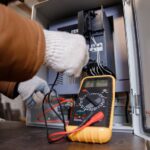
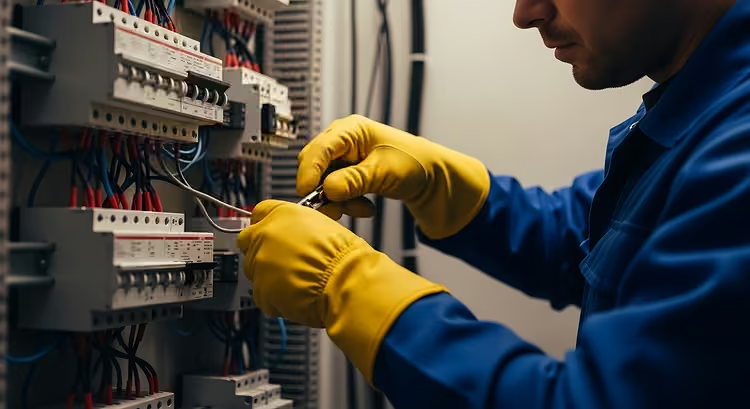
Technicians examine electrical connections for signs of loosening, corrosion, or overheating. Loose connections generate resistance, which produces heat and increases fire risk. Electrical wiring receives careful scrutiny for insulation damage, improper support, or rodent damage. Panel upgrades may be recommended when existing equipment lacks capacity for current operations or fails to accommodate modern safety features.
Top components checked during preventive maintenance:
- Circuit breakers: Testing for proper tripping mechanisms and thermal wear
- Electrical panels: Inspecting for corrosion, proper labeling, and heat damage
- Lighting systems: Checking ballasts, drivers, and voltage stability
- Emergency systems: Verifying backup power and exit sign functionality
- Outlets and switches: Assessing for loose fit, arcing, or overheating
One particularly valuable tool in preventive maintenance is thermal imaging. This non-invasive technology allows technicians to detect hot spots in energized equipment, hidden problems invisible to the naked eye.
Thermal scans reveal overloaded circuits, failing components, and poor connections before they cause outages or fires. When combined with regular inspection data, this information helps businesses prioritize repairs and budget for replacements.
Emergency Response When Seconds Count
Despite best efforts, electrical emergencies sometimes occur. Storms, vehicle impacts, equipment failures, and unforeseen circumstances can disrupt power unexpectedly. When these situations arise, access to reliable emergency service separates minor inconveniences from catastrophic business interruptions.
Professional commercial electrician teams maintain response capabilities around the clock. They arrive prepared with diagnostic tools, replacement parts, and the expertise to navigate complex commercial systems safely. Their ability to assess situations quickly, implement temporary solutions when needed, and execute permanent repairs efficiently minimizes downtime and revenue loss.
Compliance and Safety Standards
The regulatory landscape for commercial electrical systems grows increasingly complex. Occupational safety regulations, building codes, insurance requirements, and industry-specific standards all impose obligations on businesses. Non-compliance can trigger fines, invalidate insurance coverage, or create liability exposure following accidents.
Regular electrical system maintenance generates documentation that demonstrates due diligence. Inspection records, test results, and repair histories provide evidence of responsible facility management. This documentation proves invaluable during insurance audits, property transactions, or regulatory inspections.
Safety regulations continue evolving as new research emerges about electrical hazards. Arc flash protection, ground fault protection, and emergency disconnects represent areas where requirements have expanded significantly. Staying current with these standards demands ongoing education and vigilance.
Energy Efficiency and Operational Performance
Well-maintained electrical systems operate more efficiently. Loose connections, outdated components, and improperly calibrated equipment waste energy while compromising performance. Regular maintenance identifies these inefficiencies and corrects them.
Efficiency improvements generate immediate financial returns through lower utility bills. They also support sustainability initiatives that increasingly matter to customers, employees, and investors. Many utility companies offer incentives for commercial customers who implement energy-saving measures, creating additional financial benefits.
Modern commercial electrical services often include energy audits that analyze consumption patterns and identify optimization opportunities. These assessments may recommend lighting retrofits, power factor correction, or equipment upgrades that reduce operating costs while improving reliability.
Conclusion
Commercial electrical maintenance transforms uncertainty into control: preventing disruptions, enforcing compliance, and optimizing energy use. From thermal imaging that catches invisible faults to round-the-clock emergency response, proactive care safeguards both operations and the bottom line. Consulting a qualified commercial electrical professional is the first step toward building a resilient power strategy tailored to your facility’s unique demands.